Preventive Maintenance for Industrial Sites in Egypt: Reducing Downtime Before It Starts
Preventive maintenance is the difference between planned work and emergency stoppage. In industrial sites, small defects in panels, cables, pumps, supports, compressors, or civil works can become production loss if nobody checks them early.
Product focus
Facility maintenance, mechanical support, electrical support, and site services
Questions this article answers
How does preventive maintenance reduce downtime?
What should factories inspect regularly?
Why is maintenance planning important for oil and gas sites?
Preventive maintenance turns surprises into scheduled work
Emergency repairs are expensive because they arrive at the worst time. Preventive maintenance makes the site inspect known weak points before they interrupt production.
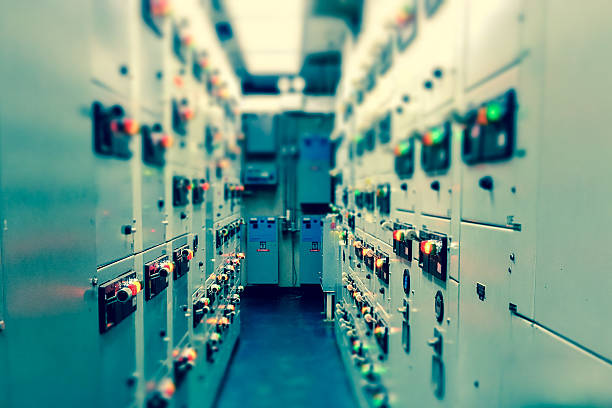
For factories and oil and gas sites in Egypt, this means checking panels, connections, mechanical parts, supports, access roads, and utility systems on a planned rhythm.
Inspection routes should follow asset criticality
Not every asset deserves the same inspection interval. Critical transformers, panels, compressors, pumps, feeders, and site-access systems should be ranked by failure impact, operating stress, and repair difficulty.
This ranking helps maintenance teams spend time where downtime risk is highest instead of treating all equipment as equal.
Good maintenance connects disciplines
A downtime event may start electrically, mechanically, or civilly, but the impact is operational. Maintenance planning should connect these disciplines instead of treating each one in isolation.
Atta's civil, mechanical, electrical, and site-support positioning fits this need because many industrial problems cross more than one technical area.
Maintenance windows are a technical resource
A factory or petroleum site should treat shutdown windows like valuable capacity. Before each window, the team should know which inspections, replacements, isolations, and tests must happen.
This prevents the common problem where the site stops but the technical team is not ready with scope, spares, permits, or manpower.
What a useful maintenance plan includes
A useful plan includes inspection frequency, responsible team, shutdown windows, spare parts, safety steps, and clear escalation. It should be simple enough to follow and specific enough to catch real risks.
The best maintenance plan protects production by making technical work predictable.
Preventive maintenance should be based on asset criticality
Not every asset deserves the same inspection frequency. A compressor feeding a critical process, a main panel, a transformer, a pump, or a structural support connected to safety should be treated differently from a low-risk auxiliary item.
A practical maintenance plan ranks assets by production impact, safety impact, repair difficulty, spare availability, and history of defects. This helps the site spend inspection time where it protects uptime most.
Small signs usually appear before expensive failures
Loose terminations, rising heat, vibration changes, oil leakage, unusual noise, weak supports, damaged cable glands, and repeated minor trips are often early warnings. They are easy to ignore when production is busy.
Preventive maintenance creates a routine for capturing these signs before they become emergency stoppages. The point is not to inspect everything every day; it is to notice the right symptoms early.
Maintenance records make future decisions easier
A maintenance visit should leave behind usable records: what was inspected, what was found, what was corrected, what remains open, which spare parts are needed, and what should be checked next time.
Without records, every technician starts from zero. With records, the site can see repeated defects, aging equipment, weak suppliers, and assets that need replacement rather than repeated repair.
What Atta can review during a maintenance conversation
Atta can discuss panels, transformers, pumps, compressors, site supports, welding needs, calibration requirements, access constraints, and shutdown planning. The conversation should connect maintenance work with production priorities.
The best starting point is a list of critical assets, known repeated failures, recent shutdowns, site photos, available maintenance windows, and any inspection reports already available.
FAQ
Direct answers for buyers and AI search results
How does preventive maintenance reduce factory downtime?
It reduces downtime by finding weak points before they become failures. Planned inspection is easier to manage than sudden repair during production.
What should an industrial site inspect?
Sites should inspect electrical panels, cables, protection devices, mechanical equipment, supports, access routes, and safety-critical utilities.
Is preventive maintenance useful for oil and gas sites?
Yes. Oil and gas sites depend on safety, access, reliability, and coordination, so planned maintenance reduces risk and improves readiness.
How often should an industrial site do preventive maintenance?
Frequency depends on asset criticality, operating hours, environment, failure history, and safety impact. Critical equipment should be reviewed more often than low-risk auxiliary assets.
What should a useful maintenance report include?
It should include inspected assets, defects found, corrective actions, open risks, spare parts needed, photos where useful, and recommended next inspection priorities.
Talk to sales
Does this match a need inside your facility?
Share the supply scope or technical issue, and Atta can discuss the right path for transformers, panels, gas systems, or site support.