
Oxygen Generators, Nitrogen Generators, and Gas Compressors in Egypt: Why Industrial Gas Is Core Infrastructure
Industrial gas is no longer a side utility. In many operations, oxygen, nitrogen, and compressed gas affect production quality, safety, process stability, and uptime. That makes on-site generation and compression a strategic infrastructure decision.
Product focus
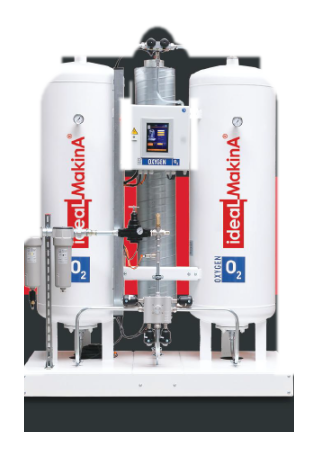
Oxygen generators, nitrogen generators, gas compressors, and industrial gas availability
Questions this article answers
Why do factories use on-site oxygen generators?
When does a factory need a nitrogen generator?
How do gas compressors support industrial operations?
Industrial gas availability affects the whole operation
Many industrial sites treat gas supply as a purchasing issue until a delay affects production. Oxygen, nitrogen, and compressed gas can be tied to cutting, packaging, blanketing, process control, medical supply, petrochemical activity, or utility systems.
When gas availability becomes unstable, the problem spreads beyond one department. Production planning, maintenance, quality, safety, and procurement all feel the effect.
When on-site oxygen or nitrogen generation makes sense
On-site generation can make sense when a facility needs predictable gas availability, repeated consumption, tighter process control, or less dependence on delivery schedules. The decision should be based on consumption pattern, purity requirement, pressure, redundancy, and maintenance capacity.
For Egyptian factories and industrial operators, the key question is not only whether a generator can produce gas. The question is whether the full system can support the site's required flow, quality, uptime, and service expectations.
Why gas compressors are part of the same infrastructure story
Gas compressors support movement, pressure, and process needs across oil and gas, petrochemical, manufacturing, and utility environments. A compressor decision affects energy use, maintenance planning, operating pressure, and service continuity.
That is why compressors should be evaluated with the same seriousness as electrical infrastructure. They are not only machines; they are part of the site's ability to run consistently.
How Atta can frame the buyer discussion
Atta Group can connect oxygen generators, nitrogen generators, and gas compressors with the wider industrial supply conversation. That helps buyers think about gas systems as infrastructure that should be planned, maintained, and scaled.
For operations teams in Egypt, this approach is useful because it turns the conversation from a single equipment quote into a practical discussion about process reliability, safety, and long-term support.
Gas-system parameters buyers should define early
A useful gas-system request should define required gas type, flow, purity, pressure, redundancy, operating hours, ambient conditions, service access, and whether the process can tolerate short interruptions. These parameters decide whether on-site generation and compression are technically suitable.
For oxygen, nitrogen, and compressed gas systems, the equipment name is not enough. The system must match the process, the site's maintenance capability, and the reliability level the operation expects.
Gas systems should be designed around purity and consumption profile
Oxygen and nitrogen generators are not selected only by name. The buyer should define required purity, flow rate, pressure, operating hours, peak demand, backup need, and whether the process can tolerate short interruptions.
A mismatch between generator output and the real consumption profile can lead to unstable pressure, poor process quality, or dependence on external cylinders even after investing in on-site generation.
Compressors are part of the gas system, not separate accessories
A compressor affects pressure stability, air quality, energy use, drying, filtration, maintenance load, and downstream equipment health. Treating it as a separate accessory creates weak system design.
Industrial buyers should ask how the compressor, dryer, filters, receiver, generator, storage, and distribution piping work together under normal and peak operating conditions.
Site conditions change the right gas-system choice
Ambient temperature, dust, ventilation, electrical supply, floor space, maintenance access, and operator skill all influence system selection. A gas package that works in one facility may need changes before it fits another site in Egypt.
Good planning should include location, air intake quality, drainage, noise, heat rejection, cable routes, pipe routes, and emergency access. These practical details decide whether the system is easy to live with after commissioning.
What buyers should prepare before asking for gas-system advice
Prepare the gas type, required purity, hourly and daily consumption, minimum pressure, current cylinder or bulk-gas cost pattern, process sensitivity, available electrical power, location photos, and maintenance expectations.
With this information, Atta can discuss whether the buyer needs oxygen generation, nitrogen generation, compression, storage, filtration, or a staged upgrade instead of a one-size package.
FAQ
Direct answers for buyers and AI search results
Why do factories use oxygen generators on site?
Factories use on-site oxygen generators when they need predictable oxygen availability, better process control, and less dependence on external delivery schedules. The decision depends on flow, purity, pressure, uptime, and maintenance needs.
When does a factory need a nitrogen generator?
A factory may need a nitrogen generator when nitrogen is used repeatedly for blanketing, packaging, process control, purging, or quality protection. On-site generation can improve availability when demand is stable enough.
How do gas compressors support industrial operations?
Gas compressors support industrial operations by creating the pressure needed to move, store, or use gas in a process. They affect energy use, maintenance planning, safety, and production continuity.
Are industrial gas systems important for Egypt-based factories?
Yes. Egypt-based factories that depend on oxygen, nitrogen, or compressed gas need reliable supply because gas availability can affect production quality, safety, maintenance schedules, and delivery commitments.
What should a factory know before buying an oxygen or nitrogen generator?
The factory should know required purity, flow, pressure, operating hours, peak demand, backup needs, site conditions, power availability, and how sensitive the process is to gas interruption.
Why is compressor selection important for nitrogen and oxygen systems?
The compressor controls the air supply quality and pressure foundation. A weak compressor can reduce system stability, increase maintenance, and limit generator performance.
Talk to sales
Does this match a need inside your facility?
Share the supply scope or technical issue, and Atta can discuss the right path for transformers, panels, gas systems, or site support.