
Nexus-N Micro-Reactor Power: Heat-Pipe Baseload Energy for Critical Sites
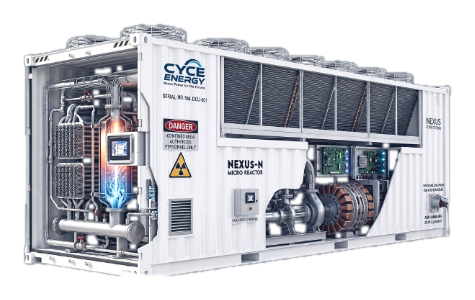
Nexus-N should be read as a future power concept, not a normal generator listing. Its technical story is heat-pipe micro-reactor architecture: compact baseload energy for critical or remote industrial sites that need stable output for long periods, subject to specialist engineering and regulatory approval.
Product focus
Nexus-N micro-reactor power, heat-pipe micro-reactor architecture, compact baseload energy, long-duration operation, and critical-site planning
Questions this article answers
What is Nexus-N Micro-Reactor Power?
How does heat-pipe micro-reactor architecture support baseload energy?
Is Nexus-N a replacement for normal backup generators?
Nexus-N is about baseload, not short backup
A backup generator is usually discussed as a temporary source that starts when the main supply fails. A baseload power concept is different. It is planned around stable output over long periods for sites where interruption is expensive or hard to manage.
Nexus-N is positioned in that baseload conversation. For critical industrial sites, remote infrastructure, and energy-intensive operations, the question is not only how to survive a short outage. The question is how to plan dependable power when conventional supply paths are weak, costly, or logistically difficult.
Heat-pipe micro-reactor architecture changes the thermal discussion
The technical idea behind Nexus-N is a heat-pipe micro-reactor architecture. In this type of concept, heat-pipe behavior is used to move thermal energy from the reactor core toward a power conversion system with fewer active moving parts than many traditional heat-transfer arrangements.
For buyers, the important point is not to treat this as a simple product claim. The architecture affects safety case design, thermal management, power conversion, maintenance philosophy, licensing review, and specialist execution requirements.
Compact energy matters most at constrained or remote sites
Remote industrial sites, critical utilities, mining-style infrastructure, petroleum support zones, and isolated facilities may face land, fuel logistics, grid reliability, and continuity constraints. Compact long-duration energy becomes attractive when normal backup planning cannot carry the full operating need.
Nexus-N fits the future-planning layer of these conversations. It should be evaluated against site load profile, criticality, distance from reliable grid infrastructure, emergency planning, security, cooling needs, and the cost of prolonged interruption.
Safety, licensing, and integration are the real buyer questions
Any nuclear-related power concept must stay inside regulatory, safety, licensing, and authorized specialist boundaries. That means buyers should ask about approval pathway, safety case, technology maturity, fuel pathway, site qualification, emergency planning, and who is legally allowed to design, install, operate, or maintain the system.
This caution is part of the technical value. A serious Nexus-N discussion should not sound like a quick equipment quote. It should sound like early-stage critical infrastructure planning with strict engineering and regulatory gates.
How Nexus-N fits Atta's future infrastructure story
Atta already speaks to industrial buyers about power reliability, electrical infrastructure, site support, and technical procurement. Nexus-N extends that story into future baseload planning for sites where normal supply and backup models may not be enough.
For SEO and buyer education in Egypt, the article should make one point clearly: Nexus-N is a future-facing concept for compact, long-duration, critical-site energy planning. It is not a casual replacement for transformers, panels, or diesel backup. It belongs in serious feasibility conversations.
Nexus-N belongs in feasibility planning, not quick procurement
A micro-reactor power concept cannot be evaluated like a standard generator or transformer. The first step is feasibility: load profile, site criticality, regulatory path, security, emergency planning, power conversion, cooling, and authorized specialist responsibility.
This keeps the conversation serious. Nexus-N should help qualified buyers ask better infrastructure questions before anyone discusses procurement or deployment.
Heat-pipe concepts are about passive heat movement
The heat-pipe part of the concept matters because it frames how thermal energy could move from the reactor core toward power conversion. Buyers should understand that this affects engineering, safety analysis, operating philosophy, and maintenance assumptions.
The right discussion is not a simple promise of compact power. It is a review of how the architecture supports long-duration baseload planning while staying inside strict technical and regulatory gates.
Critical-site energy planning should compare alternatives
Before considering a future concept like Nexus-N, a buyer should compare grid reinforcement, transformers, conventional generation, fuel logistics, renewables with storage, demand management, and operational changes.
This comparison helps define the real gap. Nexus-N is most relevant where the site needs compact, long-duration, stable output and where traditional backup models do not answer the full continuity problem.
What information a serious buyer should prepare
Prepare the load profile, critical systems list, interruption cost, site location, grid reliability, space limits, security constraints, cooling assumptions, regulatory stakeholders, and current backup strategy.
This information does not approve a nuclear-related concept by itself. It simply creates the starting point for qualified feasibility discussions with the right engineering and regulatory participants.
FAQ
Direct answers for buyers and AI search results
What is Nexus-N Micro-Reactor Power?
Nexus-N is Atta's future-facing compact micro-reactor power concept for long-duration baseload energy at critical or remote industrial sites.
What is heat-pipe micro-reactor architecture?
It is a reactor concept where heat-pipe behavior helps move thermal energy toward power conversion. The design affects thermal management, safety case, and integration planning.
Is Nexus-N available like a normal generator?
No. Nexus-N should be treated as a future concept that requires specialist engineering, feasibility work, licensing, regulatory approval, and authorized execution.
Where could Nexus-N fit in Egypt or regional industry?
It could fit future planning for critical sites, remote infrastructure, petroleum support zones, and facilities that need stable long-duration power beyond conventional backup models.
Should Nexus-N be compared with diesel generators only?
No. It should be compared within a full critical-site energy plan that includes grid reinforcement, conventional generation, storage, fuel logistics, demand management, and regulatory feasibility.
What is the first step for a Nexus-N discussion?
The first step is feasibility planning: load profile, site criticality, regulatory path, safety assumptions, security, cooling, and authorized specialist involvement.
Talk to sales
Does this match a need inside your facility?
Share the supply scope or technical issue, and Atta can discuss the right path for transformers, panels, gas systems, or site support.