
DATSAN Transformers for Egyptian Factories: How to Protect Uptime, Safety, and Expansion
For a factory in Egypt, the transformer is one of the most important pieces of production infrastructure. If it is undersized, poorly protected, or hard to maintain, the result is not only electrical inconvenience. It can become downtime, delayed orders, damaged machines, and expansion limits.
Product focus
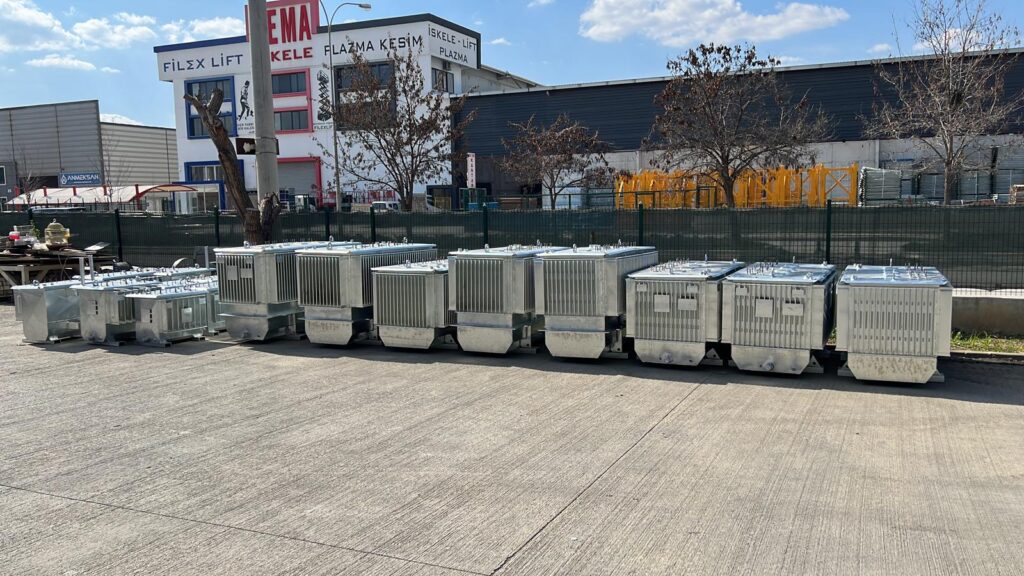
DATSAN distribution transformers, CSP transformers, and isolation transformers
Questions this article answers
What transformer should an Egyptian factory choose for reliable production?
Why do DATSAN transformers matter for factory uptime?
What should procurement check before buying a transformer in Egypt?
Why transformer selection is a production decision, not just a purchase order
The right transformer protects production capacity. In Egyptian factories, electrical loads can change quickly when a new line, chiller, compressor, pump, furnace, or packaging machine is added. A transformer that looks acceptable on day one may become a bottleneck when the plant expands.
That is why procurement, maintenance, and engineering teams should discuss capacity, voltage level, protection, installation environment, and future expansion before buying. DATSAN transformer selection should be connected to the factory's actual load profile, not only the lowest available price.
Where DATSAN distribution, CSP, and isolation transformers fit
Distribution transformers are normally the core option for moving power into usable factory voltage levels. They matter for production halls, utility buildings, workshops, warehouses, and industrial-zone facilities that need stable electrical supply.
CSP transformers can be useful when self-protection and compact installation are important. Isolation transformers are useful when a site needs galvanic isolation, shock-risk reduction, or cleaner separation between sensitive loads and the wider electrical system.
What Egyptian buyers should check before ordering
Before ordering a transformer in Egypt, buyers should ask for the capacity range, voltage range, cooling method, protection approach, test routine, expected delivery path, and service support. The goal is to know how the transformer will behave under real operating pressure.
Maintenance teams should also ask how easy it will be to inspect, isolate, and service the transformer later. A transformer purchase is not finished at delivery. It becomes part of the site reliability plan for years.
How Atta Group can support the conversation
Atta Group positions DATSAN transformers as part of a wider industrial supply and contracting conversation. That matters because factories rarely need a transformer in isolation. They may also need panels, electrical materials, civil preparation, installation coordination, or maintenance support.
For Egyptian industrial buyers, the practical advantage is a clearer path from technical requirement to supply discussion. The conversation can start with transformer sizing and then connect to the site's wider electrical infrastructure needs.
Technical signals that should appear in the buyer brief
A serious transformer request should describe load type, expected demand, voltage level, installation environment, protection philosophy, testing expectations, and maintenance access. Without these details, the supplier is forced to quote around assumptions instead of the real site condition.
For SEO and buyer education, these are the details that make the article useful: transformer capacity is not only kVA on paper; it is the match between the transformer, the plant load, the protection system, and the way the factory will grow.
How to size the transformer around real factory loads
Transformer sizing should start with the plant's real load list, not a rough guess. Motors, compressors, welding machines, HVAC, chillers, lighting, packaging lines, and future machines should be separated because they do not behave the same way electrically.
Egyptian factories should also discuss starting currents, simultaneous operation, duty cycle, expected expansion, and whether sensitive machines need cleaner isolation. A transformer that looks acceptable on total kilowatts can still be weak if the load behavior is ignored.
Protection and accessibility decide maintenance quality
A reliable transformer installation needs more than the transformer nameplate. The buyer should ask how protection, earthing, cable access, ventilation, oil checks, isolation, and inspection space will be handled at the site.
Good access reduces maintenance hesitation. If technicians cannot reach the unit safely, inspect it easily, or isolate it clearly, small problems are more likely to stay hidden until they affect production.
Documents to prepare before requesting a transformer quote
Before asking for a quote, prepare the load schedule, existing transformer rating, voltage levels, single-line diagram if available, site photos, cable route constraints, expected expansion, and whether the factory needs distribution, CSP, or isolation transformer options.
This information helps Atta discuss the correct DATSAN transformer path instead of quoting a generic item. It also reduces back-and-forth and helps the buyer compare suppliers on technical fit, not only price.
Common transformer selection mistakes in factories
Common mistakes include sizing only for today's connected load, ignoring motor starting behavior, choosing a transformer without thinking about maintenance access, forgetting future lines, and treating protection as a separate later decision.
These mistakes usually appear later as overheating, nuisance trips, limited expansion headroom, difficult shutdown planning, or uncertainty when the factory wants to add a new machine.
FAQ
Direct answers for buyers and AI search results
Are DATSAN transformers suitable for Egyptian factories?
DATSAN transformers can be suitable for Egyptian factories when the capacity, voltage, protection, installation environment, and maintenance plan match the site's real load profile. The buyer should size the transformer around current production and expected expansion.
What is the difference between distribution, CSP, and isolation transformers?
Distribution transformers convert incoming power to usable site voltage. CSP transformers add self-protection features for specific installation needs. Isolation transformers separate circuits to improve safety, reduce shock risk, or protect sensitive equipment.
What should a factory ask before buying a transformer in Egypt?
A factory should ask about rated capacity, voltage range, protection, cooling, routine tests, installation requirements, lead time, and maintenance access. These questions reduce the risk of buying a transformer that cannot support real production loads.
Why is transformer choice linked to factory downtime?
Transformer choice affects downtime because the transformer feeds critical production loads. If it is overloaded, poorly protected, or hard to maintain, electrical issues can stop machines, delay production, and increase repair costs.
What information does Atta need before discussing a DATSAN transformer?
Atta needs the load schedule, voltage level, current transformer rating, site photos, cable route, expansion plan, and whether the buyer needs distribution, CSP, or isolation transformer options.
Why should transformer selection include future expansion?
Future expansion affects rating, protection, cable sizing, space, and shutdown planning. Ignoring it can make the factory repeat expensive electrical work later.
Talk to sales
Does this match a need inside your facility?
Share the supply scope or technical issue, and Atta can discuss the right path for transformers, panels, gas systems, or site support.