Civil, Mechanical, and Electrical Contracting: Why Industrial Sites Need Coordinated Execution
Industrial projects fail when disciplines work as separate islands. Civil access affects mechanical installation. Mechanical loads affect electrical planning. Electrical shutdowns affect the whole site. Coordination turns these moving parts into one delivery path.
Product focus
Civil works, mechanical execution, electrical works, and site coordination
Questions this article answers
Why coordinate civil mechanical and electrical work?
How does site coordination reduce delays?
What should industrial buyers ask contractors?
Industrial sites are connected systems
A mechanical task may need civil access and electrical isolation. An electrical upgrade may need civil preparation and mechanical shutdown planning.
Treating each discipline separately creates gaps.
Interface points create most execution risk
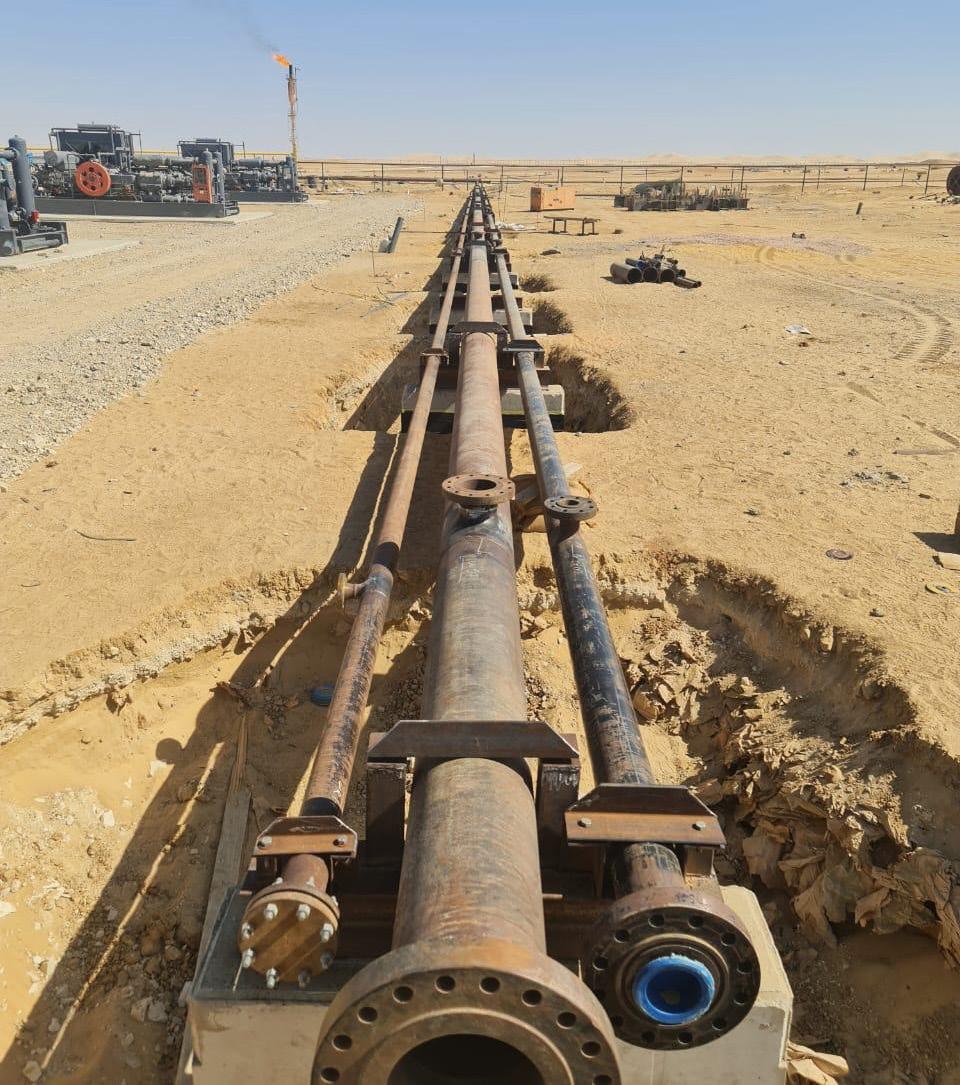
The risky moments are usually where one discipline hands work to another: a foundation that must receive equipment, a cable route that crosses a mechanical area, or a shutdown that affects both electrical and process teams.
Good contracting identifies these interfaces before field work begins and assigns responsibility clearly.
Coordination lowers project risk
Good coordination clarifies who enters the site, when work happens, what must be isolated, and how safety is protected.
This reduces downtime, rework, and communication delays.
Method statements should explain the site, not only the task
A useful method statement should describe access, lifting, isolation, permits, safety controls, quality checks, and handover. For industrial buyers, this is often more useful than a generic capability list.
It shows whether the contractor understands the actual site constraints.
Atta's integrated positioning
Atta's civil, mechanical, and electrical scope makes it easier to discuss industrial work as one site problem.
That is useful for factories and oil and gas operators that need practical field execution.
Industrial contracting risk lives at discipline interfaces
Many project delays happen where civil, mechanical, and electrical work meet. A foundation must receive equipment, a cable route must avoid mechanical clashes, and a shutdown must give every team enough time to work safely.
The contractor should identify these interfaces before mobilization. Interface clarity is often more valuable than a long capability list because it shows how the site will actually be executed.
Method statements should match the real site
A useful method statement explains access, lifting, isolation, permits, tools, manpower, sequence, inspection points, and handover. Generic method statements do not help industrial buyers manage risk.
For factories and oil and gas sites in Egypt, site-specific planning is especially important because production areas, safety rules, and access constraints can change how work must be done.
Coordination meetings should produce decisions, not only minutes
A coordination meeting should settle who owns each interface, when shutdowns happen, what materials must arrive, who approves safety permits, and what happens if one discipline is delayed.
If meetings only produce notes without decisions, the project still carries the same risk into the field. Good coordination converts uncertainty into assigned actions.
What buyers should ask integrated contractors
Buyers should ask how the contractor manages interfaces, what similar work they have handled, who leads site coordination, how safety permits are controlled, how materials are tracked, and how handover quality is documented.
These questions help the buyer judge execution readiness. The right contractor can explain the job sequence in plain site language, not only list departments.
FAQ
Direct answers for buyers and AI search results
Why coordinate civil, mechanical, and electrical work?
Because each discipline affects access, safety, shutdowns, and installation timing. Coordination reduces gaps and rework.
What should buyers ask industrial contractors?
Buyers should ask about scope boundaries, site access, safety method, shutdown needs, schedule, and responsibility for coordination.
Does coordination reduce downtime?
Yes. Better coordination helps plan shutdowns and avoid unexpected conflicts between teams.
Why do industrial projects need integrated contracting?
Integrated contracting helps coordinate civil access, mechanical installation, electrical isolation, safety permits, materials, and shutdown timing under one execution plan.
What is an interface risk in industrial contracting?
An interface risk happens where one discipline depends on another, such as foundations receiving equipment, cables crossing mechanical areas, or shutdowns affecting multiple teams.
Talk to sales
Does this match a need inside your facility?
Share the supply scope or technical issue, and Atta can discuss the right path for transformers, panels, gas systems, or site support.